
When it comes to choosing the perfect garage for your home or business, metal buildings often top the list for their durability, affordability, and quick installation—but they aren’t without drawbacks. Now, this may be the last topic you might expect to hear from a metal building manufacturer, but we owe it to any potential customers to outline where metal garages have disadvantages in specific areas. Join the metal building experts at Eagle Carports as we walk you through the top five concerns homeowners commonly encounter with metal garages and show you how our metal building company turns each “disadvantage” into a nonissue.
Read on to learn what to watch out for when installing a metal garage and how we help you overcome it.
#1: Condensation and Moisture Issues
One of the most common complaints about metal garages is condensation buildup—especially in climates with wide temperature swings or high humidity. When warm, moisture-laden air meets the cooler metal surface of the roof or walls of your metal building, water droplets form and drip onto stored belongings, concrete floors, and even structural framing.
Over time, unchecked condensation can accelerate rust, promote mold growth, warp wooden shelving, and damage electronics or leather goods. Left unaddressed, this hidden moisture can undermine both the lifespan of your metal building and the condition of everything inside it.
Luckily, condensation issues can be mitigated by installing metal building insulation. Metal building insulation provides several benefits:
- Improves energy efficiency
- Increases occupant comfort
- Helps prevent rust, mold, and mildew
- Extends the lifespan of your metal structure
Eagle Carports offers two types of insulation for the metal buildings we offer: 2" fiberglass and Reflective Double Bubble insulation.
#2: Historically Limited Aesthetic Appeal
Metal garages and metal barn buildings have historically had a distinctly industrial look that can feel stark and out of place next to traditional-looking homes. Old-school metal panel profiles and limited rooflines tended toward a utilitarian aesthetic—plain vertical walls, exposed fasteners, and monochrome color options—which can clash with brick facades, stucco finishes, or classic architectural details common in residential neighborhoods.
Without thoughtful design upgrades, a metal garage risks looking like an afterthought rather than an integrated part of your property. Moreover, mismatched building styles can draw unwanted attention from HOAs or neighborhood associations that prioritize cohesive streetscapes. This is why proper planning and customization of the building is so important.
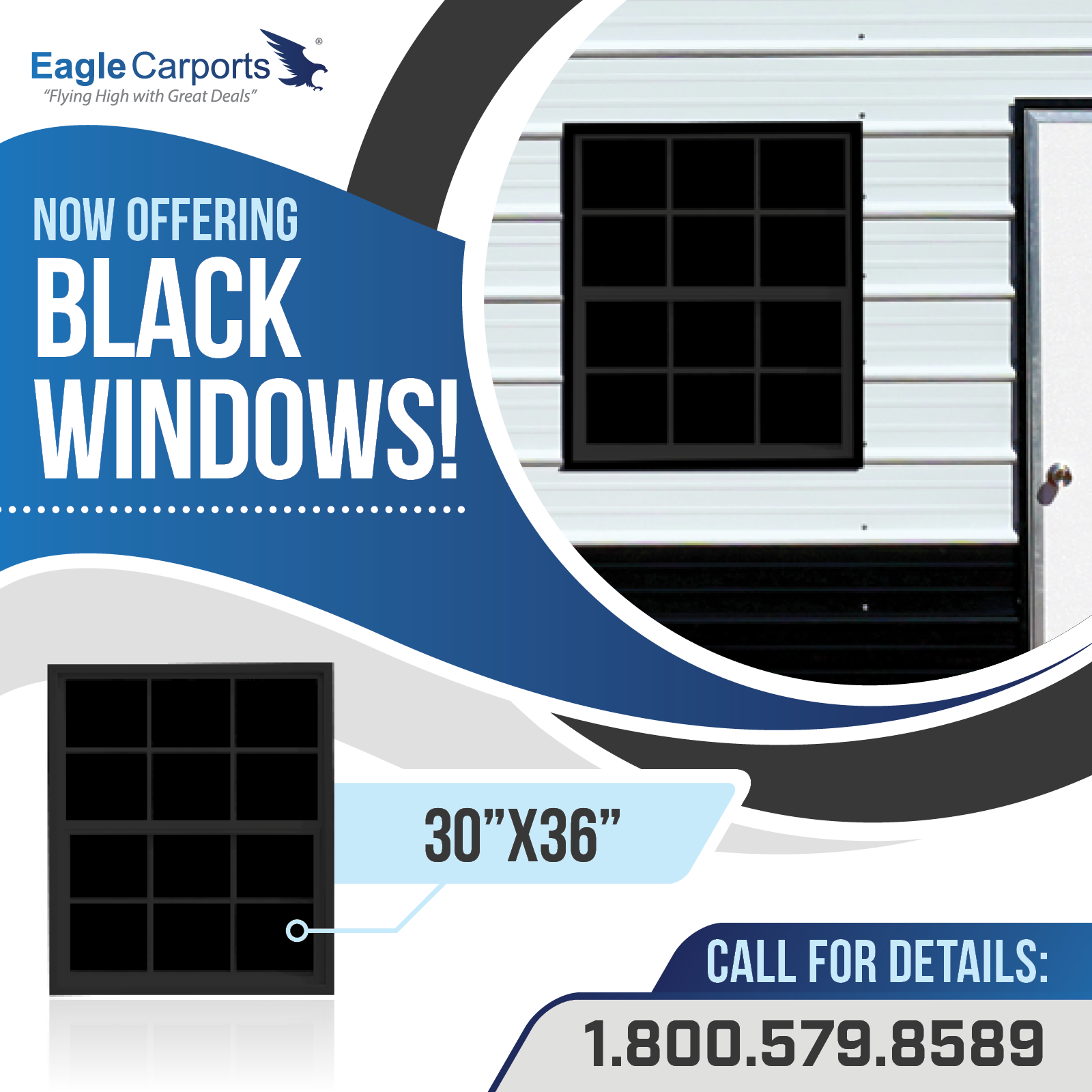
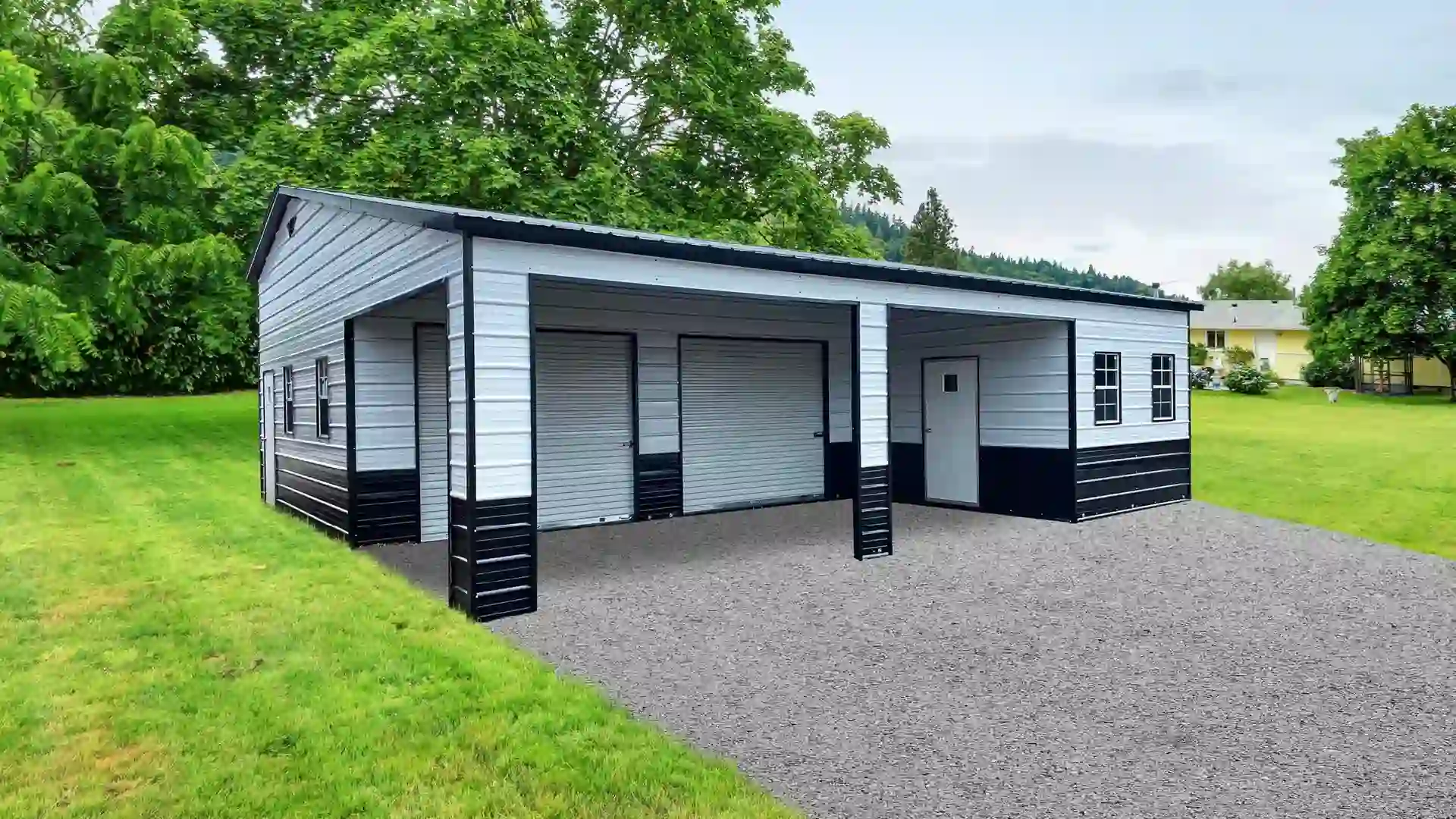
With modern online 3D metal building tools, homeowners and business owners can completely customize their buildings to fit their needs. They can change the color of the roof, sides, trim, and even the screws! They can also add wainscotting along the bottom of the building to further tie the building into the surrounding architecture.
#3: Potential for Rust and Corrosion
Even though steel is celebrated for its strength, untreated metal is highly susceptible to corrosion—especially in humid, coastal, or industrial environments where salt, moisture, and airborne pollutants accelerate oxidation.
Left unprotected, tiny scratches or exposed edges can become the starting point for rust that spreads beneath paint finishes, undermines structural components, and leaves unsightly stains on floors and stored property. Over time, unchecked corrosion compromises load-bearing capacity, drives up metal building maintenance costs, and shortens the lifespan of your steel garage.
#4: Temperature Extremes
Yet another reason to invest in insulation for your metal building— Metal is an excellent conductor of heat and cold, which means uninsulated metal garages can become unbearably hot in summer and frigid in winter. Without a thermal barrier, interior temperatures swing dramatically with the weather outside, driving up cooling and heating costs.
This can make it uncomfortable (or even unsafe) to work, store temperature-sensitive belongings, or park a vehicle. These extreme fluctuations can warp plastics, crack paint, degrade rubber components, and shorten the lifespan of tools, electronics, and other valuables kept inside the garage.
#5: Denting and Damage from Impact
Because standard metal panels are relatively thin, they’re far more prone to dents from hail, flying debris, accidental tool drops, or vehicle bumps than wood-framed garages are. Even minor impacts can leave visible dimples that trap moisture, accelerate corrosion, and degrade curb appeal of the metal building over time.
Left unreinforced, repeated dings not only look unsightly but can weaken metal wall panel integrity and lead to costly repairs or premature replacement. That is why you can purchase replacement materials directly from the manufacturer, Eagle Carports.
Honorable Mentions for Metal Building Disadvantages
It’s worth highlighting a couple more considerations that—while less critical—can still influence your metal building installation project’s timeline and budget.
Zoning and HOA Restrictions
Even though metal garages deliver unbeatable strength and value, many homeowners run into zoning ordinances or HOA covenants that restrict—or outright ban—metal-panel buildings.
Rules vary widely, with some communities limiting exterior materials, colors, height, or footprint, and others requiring lengthy approval processes and architectural reviews. Failing to navigate these regulations upfront can lead to costly redesigns, fines, or even forced removal of your structure.
Wind and Snow Load Concerns
Many homeowners worry that metal garages won’t stand up to high winds, hurricanes, or heavy snowfall—concerns fueled by stories of roof collapse or metal panel buckling under extreme weather. In reality, any poorly designed structure poses this risk, but when engineered correctly, metal buildings offer superior strength-to-weight ratios that outperform many traditional materials in wind and snow resistance.
Solutions for Metal Building Disadvantages
Now that we’ve outlined the most common challenges associated with metal garages, it’s time to focus on what really matters: practical, cost-effective solutions that turn each disadvantage into a strength.
Built-In Condensation Control
Metal garages often come pre-installed with a factory-direct condensation control liner that directs moisture away from interior surfaces. Combined with strategically placed vents and optional spray-foam insulation, this system stops water buildup before it starts. Plus, rust-resistant steel panels ensure lasting protection against any residual moisture.
Fully Customizable Exterior Finishes
At Eagle Carports, we offer a wide palette of roof and wall colors and styles as well as other custom designed features. Our custom design features can include placement of windows and doors, interior shelving, or other design features to elevate your metal garage design. Our experts help you turn a basic garage design into a seamless extension of your property.
Industry-Leading Corrosion Resistance
Our steel building structures are built from galvanized steel with a powder-coat finish that seals out moisture and salt. All fasteners are zinc-plated and sealed to prevent rust at connection points, and optional marine-grade coatings deliver extra protection in coastal or corrosive environments. This system ensures your metal garage remains structurally sound and visually pristine for years to come.
High-Performance Insulation Packages
Eagle Carports offers upgrades for high-performance metal building insulation that creates a continuous thermal envelope and eliminates heat transfer through the steel. Combined with ridge vents and optional HVAC-ready roof panels, our insulated metal garages maintain stable interior temperatures year-round and reduce energy costs.
Reinforced Gauge Steel and Impact-Resistant Panels
Our metal building supplier provides heavy-gauge steel panels with reinforced profiles to disperse impact forces rather than dent. Pre-installed bumper rails and optional corner guards shield vulnerable areas from accidental knocks. Together, these features can keep your steel garage looking sharp and structurally sound for decades.
Turnkey Code and Covenant Compliance
Eagle Carports provides all the engineered drawings, permit-ready documentation, and customizable exterior options needed to satisfy local building codes and HOA design guidelines. Our metal building specialists help you submit applications correctly the first time, so you avoid delays and unexpected expenses.
Site-Specific ASCE-Certified Engineering
Eagle Carports designs every metal building using ASCE 7 wind and snow load calculations tailored to your exact address, then provides stamped engineering plans that satisfy local code requirements. Our reinforced framing, properly sized purlins, and heavy-duty anchors ensure your metal garage withstands the toughest weather conditions—effectively eliminating wind and snow loads as a genuine drawback.
Disadvantages of Metal Garages vs Wooden Garages
Before deciding between a metal garage vs a wood-framed garage, it helps to understand how their respective weaknesses stack up side-by-side.
Moisture and Rot
Metal garages without adequate ventilation or condensation control can develop rust and mold, whereas wood is prone to warping, rot, and termite damage. Eagle Carports eliminates moisture issues with factory-installed condensation liners, premium galvanization, and optional spray-foam insulation—delivering a moisture-resistant structure that outlasts untreated wood.
Aesthetic Flexibility
Standard metal panels often read as industrial and clash with residential architecture, whereas wood garages blend naturally but require frequent painting or sealing to stay attractive. With a full palette of roof and wall colors, decorative trim packages, and siding upgrades, Eagle Carports’ metal buildings achieve a custom look that rivals wood—without the ongoing maintenance.
Durability
Thin-gauge metal panels dent and corrode over time, while wood is vulnerable to pests, rot, and fire. Eagle Carports uses heavier-gauge, rust-resistant steel with reinforced framing and impact-resistant profiles, providing a tougher, longer-lasting shell than wood.
Thermal Performance
Metal conducts heat and cold rapidly, causing extreme interior temperature swings, whereas wood insulates better but still requires added barriers for efficiency. Our factory-installed insulation systems for metal buildings create a continuous thermal envelope that outperforms typical wood framing.
Cost
A bare-bones metal garage has the lowest upfront price, but necessary upgrades (insulation, coatings, finishes) can add up. In contrast, wood garages start higher and incur ongoing painting, pest control, and rot-repair costs. Eagle Carports’ transparent pricing bundles performance features into one turnkey package, minimizing total lifetime expense.
Installation Speed
Prefabricated metal garages assemble in days, but wood framing can take weeks or months (plus weather-dependent delays), and masonry takes even longer. Eagle Carports delivers permit-ready, factory-built metal garage kits that drastically reduce on-site labor time—so you can use your new garage sooner.
Lifespan
Properly coated metal structures last 30–50 years with minimal upkeep, but wood garages average 20–30 years before major repairs. Backed by industry-leading warranties, Eagle Carports’ steel garages combine longevity with low maintenance for unbeatable value.
Contact Our Metal Garage Experts Today
Eliminate your metal garage concerns once and for all by contacting the Eagle Carports team today for a free, no-obligation consultation and site-specific quote.
Our metal building experts will walk you through your customizable design options to ensure you get a durable, moisture-resistant, and perfectly styled garage tailored to your property and your needs.
Call us now 800-579-8589 or fill out our quick online contact form below to get started.